

Finding the right doctor isn’t about choosing the smartest person in the room. It’s about finding someone who fits you. Your personality, your values, your communication style, and the kind of support you need when everything feels upside down. The relationship you build with your medical team matters just as much as the treatment plan they create.
Below are a few questions that can help you figure out what “good doctor” really means for you, followed by three important questions to ask the doctor themselves.
Below are a few questions that can help you figure out what “good doctor” really means for you, followed by three important questions to ask the doctor themselves.
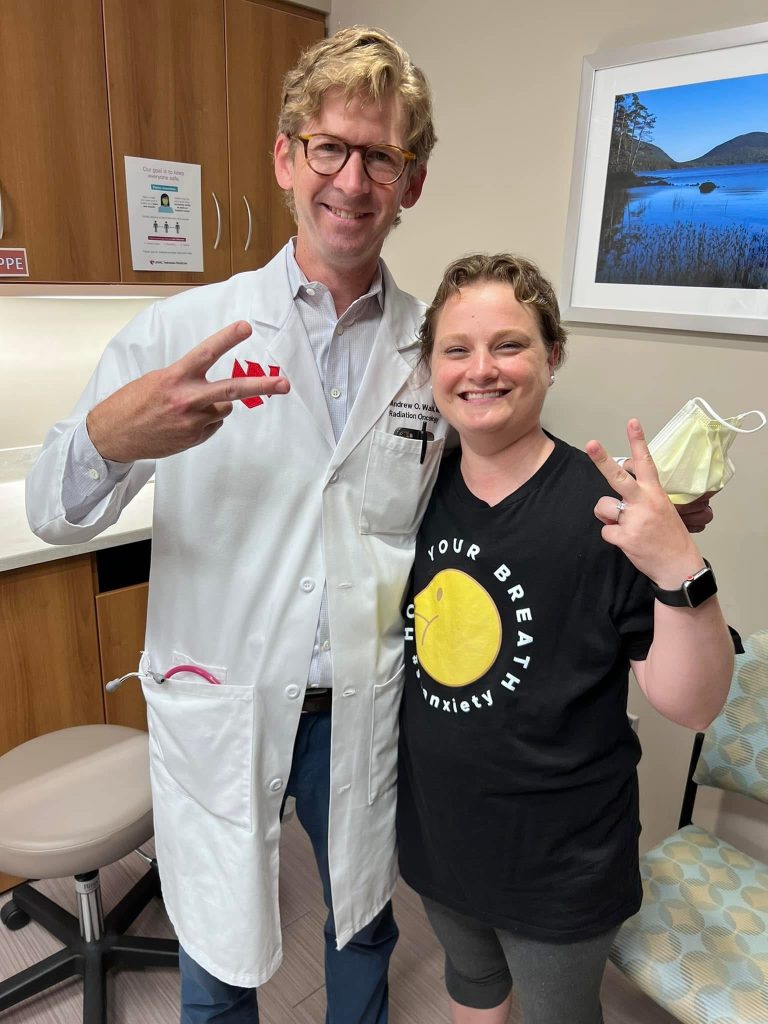
1. What do I want in a doctor?
Before you even walk into the clinic, pause and ask yourself: What type of doctor do I actually function best with?
Some people want a straight-shooter. The kind of doctor who walks in, sits down, and tells you exactly what’s happening and what you should do next. No fluff, no long metaphors, just the plan. Others want someone gentler. Someone who delivers information with softness, eases you into the hard stuff, and gives space to process. And then there are patients who feel safest when the doctor lays out all the options, talks through pros and cons, and lets you take the lead.
All of these preferences are valid. And they might change from specialty to specialty. You might want a take-charge surgeon but a slower, more collaborative oncologist. Or you might want the same style across the board. There’s no wrong answer, only the answer that makes you feel seen and supported. Knowing what you desire in a doctor before asking around for references is the first step to building your ideal dream medical team.
2. How do I like to receive information?
This one is often overlooked, but it changes everything.
Think about how you naturally communicate. Do you prefer:
- Messaging through a portal because your schedule is chaos?
- Quick phone calls so you can ask questions in real time?
- Written instructions because your brain is foggy and you’ll forget everything the moment you leave the room?
- Longer appointments where you can process out loud?
Personally, I needed a doctor who was extremely reachable through messaging. It fit my life and made me feel calmer. For someone else, that might feel impersonal. The right doctor is the one whose communication style doesn’t add stress to your already over-full plate.
3. Is the nursing team important to me?
Doctors often get the spotlight, but nurses are the ones who know your case in real time. They’re the ones you call when something feels off, when you need reassurance, or when you’re spiraling at 2 p.m. on a Tuesday.
Ask yourself:
- Do I want the same nurse following my care so I build trust with one person?
- Or am I okay with a triage system where you may talk to someone new each time?
For me, I wanted one nurse. Someone who knew my baseline, knew my panic signs, and didn’t need a crash course on my chart each time. Meeting her early mattered. For others, continuity might not be as crucial. Again—no right or wrong, just what helps you feel supported.
Three Questions to Ask Your Doctor
Once you’ve figured out what you need from a physician, here are three simple but powerful questions to ask them. These can reveal a lot more than the surface-level answers.
1. “What’s the last continuing education you attended?”
Doctors have to earn continuing education credits, but how they earn them tells you a lot.
Are they actively keeping up with new research, emerging drugs, and evolving guidelines?
Or are they clicking through online quizzes at home just to meet the requirement?
A doctor who attends conferences, workshops, or specialty trainings is someone who is staying current. In cancer care, where treatment evolves constantly, that really matters.
2. “When is the last time you treated someone with IBC before me?”
Asking, “Have you treated IBC before?” almost guarantees a vague yes.
Asking, “When was the last time?” gives you real information.
If they struggle to remember, or their answer is something like, “Oh, it’s been a while,” that tells you what you need to know. If they can give you a clear timeframe and walk you through their experience, you get a better sense of their familiarity and confidence with your diagnosis.
3. “How do you feel about second opinions?”
This is the question that reveals character.
A doctor who welcomes second opinions is a doctor who isn’t threatened by them. They’re secure. They’re humble. They care about getting you the best care not about being the only voice in your care.
One of my favorite doctors responded to my second-opinion plans with:
“Okay. If you decide to go with them or they have a different idea, please let me know.”
No defensiveness. No ego. Just openness. That told me everything I needed to know about her.
Final Thoughts
Finding a “good” doctor isn’t about perfection. It’s about alignment. It’s about choosing a medical team that communicates in ways that land with you, that respects your autonomy, and that meets you where you are. Asking yourself these questions first helps you walk into appointments with clarity. Asking your doctor the last three helps you understand who they are, beyond the degrees on the wall.
Your care is personal. Your team should be, too.