
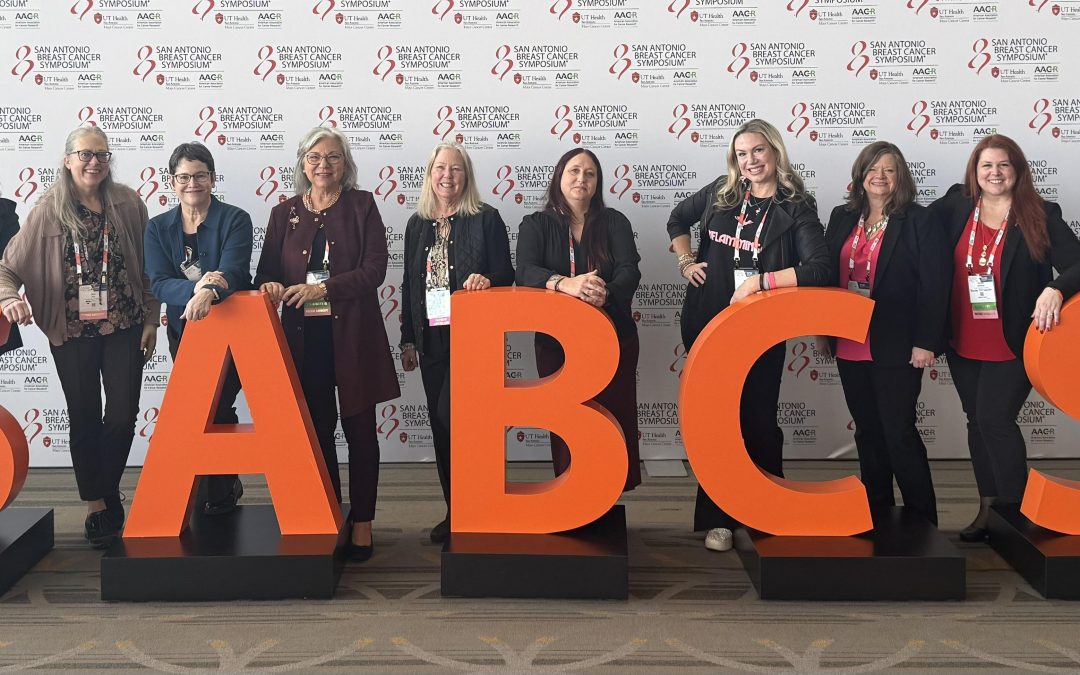
Attending the 2025 San Antonio Breast Cancer Symposium (SABCS) as a patient advocate with The IBC Network Foundation was both an honor and a profoundly inspiring experience. As an individual personally impacted by Inflammatory Breast Cancer (IBC), it was deeply encouraging to see IBC being included in research studies, scientific discussions, and emerging clinical conversations throughout the symposium. This growing visibility signals meaningful progress and and reinforces the importance of continued advocacy.
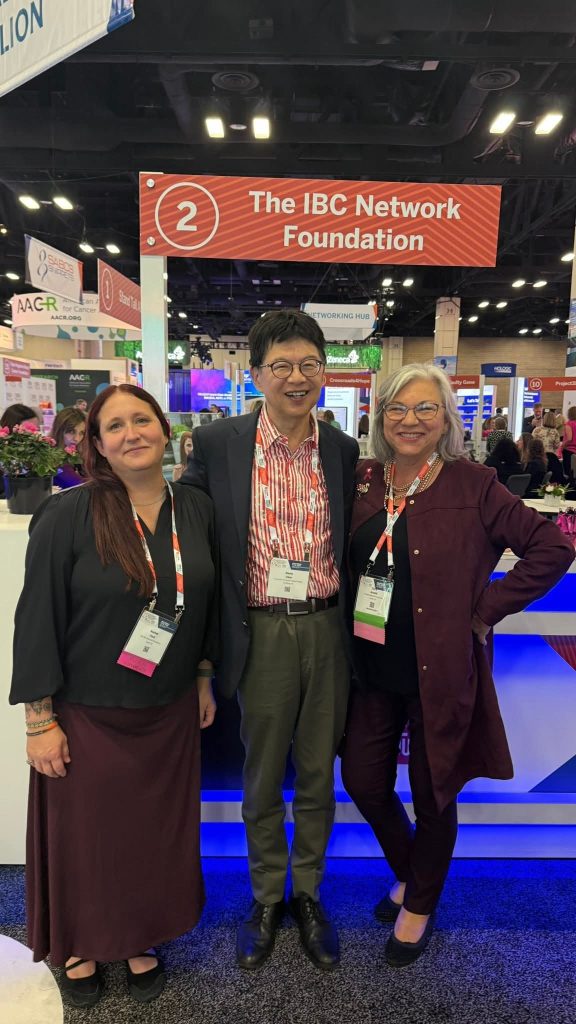
One of the most impactful aspects of the experience was witnessing Terry Arnold, founder of The IBC Network Foundation, in action. Terry is an immense force within the IBC community, and seeing her cumulative years of service, dedication, and hard-earned expertise translate into real-time advocacy was truly remarkable. Learning directly from her, particularly the critical steps and strategies needed to advocate for IBC effectively, was invaluable. Her depth of knowledge, grounded in years of lived experience and tireless service, continues to shape and strengthen the future of IBC advocacy.
Dr. Wendy Woodward secured a last-minute meeting space for The IBC Community Connect. Dr. Woodward has breathed new life into this consortium of doctors, clinicians, patient advocates, researchers, and organizations. Dr. Woodward is a real champion for IBC and consistently tries to open the conversation across all levels of people dealing with and caring for people impacted by Inflammatory Breast Cancer. This space allowed us to gather and discuss progress since our last meeting in November and to welcome new people to the conversation, as the IBCC Connect is meant to be accessible to all. This opportunity underscored the growing recognition of IBC within the medical and research communities and highlighted the importance of sustained dialogue between advocates and clinicians.
Our team of advocates represented The IBC Network Foundation with passion, professionalism, and purpose. Each advocate brought unique skills, perspectives, and lived experiences, creating a cohesive and well-rounded team. Together, we distributed extensive educational materials and some fun ones too (squishy oranges to simulate peau de orange skin texture with IBC and super sparkly bags a collaboration from The IBC Network Foundation & Inflammingo), engaged in meaningful conversations with researchers and clinicians, attended numerous scientific sessions, and spoke with countless attendees about The IBC Network Foundation’s mission and work towards funding Inflammatory Breast Cancer research. We were also proud to share information about the annual Ultimate IBC Meet-Up, a vital opportunity for patients and caregivers to connect, learn, and find community. We had a lot of fun too, strengthening our bonds and sharing so much laughter and camaraderie.
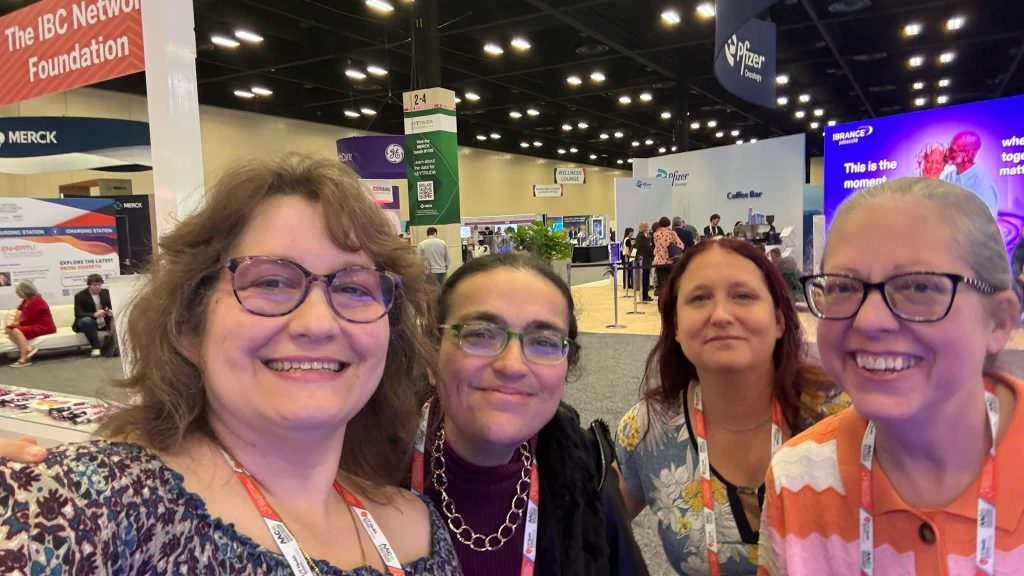
The symposium itself was a powerful convergence of pharmaceutical companies, diagnostic organizations, researchers, clinicians, and patient advocacy groups, all communicating within the same space. That level of collaboration was both impressive and hopeful. It is great to be included in the conversation, as I have said countless times during my health journey, that what is most needed in healthcare is an emphasis on the “patient voice” and their lived experiences. Additionally, Lilly’s patient advocate lounge provided a welcoming and thoughtfully designed environment where advocates could meet, recharge, and connect, reinforcing the value of patient voices within the scientific community.
Overall, SABCS was an extraordinary experience that highlighted progress, fostered collaboration, and reaffirmed the critical role of patient advocacy. Representing The IBC Network Foundation alongside such a dedicated team and learning from leaders like Terry Arnold and my fellow advocates was a privilege. The momentum building around Inflammatory Breast Cancer is real, and the work being done continues to move us closer to better understanding, better treatments, and better outcomes for those facing an Inflammatory Breast Cancer diagnosis.