
Hidden Blessings or Toxic Positivity?
When faced with a life-altering diagnosis like Inflammatory Breast Cancer (IBC), your world can feel like it’s crumbling. IBC is a rare and aggressive form of breast cancer, often presenting with alarming symptoms like rapid swelling, redness, and skin changes that are often mistaken for an infection. The journey is daunting—physically, emotionally, and mentally. Yet, amidst the storm of such a diagnosis, unexpected rays of light appear: hidden blessings that emerge in the form of newfound connections, unwavering support, and a redefined sense of family. For many, an IBC diagnosis becomes a catalyst for discovering the strength of community, the guidance of unexpected allies, and the profound love of friends who become “framily.”
In remaining positive about your prognosis, some will say you have a “toxic positivity” or accuse you of being disconnected from your reality. Let them. I believe that my positive, take no prisoners attitude is what led me to where I am now – No Evidence of Disease and No Active Treatment. But, that’s not to say that positivity is the only thing that got me here. The hidden blessings are just as important. Although, for all of this to work, you have to accept them, embrace them and trust them. And even then, it may not work. But if it doesn’t, you will know that you have given your everything with grace and dignity.
A Diagnosis That Opens Doors to Support
Receiving an IBC diagnosis is a moment that shifts everything. The urgency of the disease, which requires immediate and aggressive treatment, can leave us, as patients, feeling isolated and overwhelmed. But for many, this moment also marks the beginning of an unexpected outpouring of love and support. Friends, acquaintances, and even strangers step forward, offering help in ways that are both practical and deeply personal.
Take, for example, when I was diagnosed with IBC. I had recently moved to Florida and didn’t have a huge network of friends or nearby family. When I moved to Florida and was ready to start meeting people, I joined a Facebook mom group, called Davie Moms Club, but had not yet had the chance to attend many events. I had attended a few events and quickly bonded with the founder of the group, who makes it a point to know everyone in the group. When I told her I had breast cancer, she connected me with other moms in the group who also had breast cancer and she asked me if she could start a meal train for our family. This group of moms that I barely knew took turns feeding my family several times a week for months while I did chemo.
This phenomenon isn’t unique to me. Across countless stories, IBC patients describe how their diagnosis opened doors to communities they hadn’t known existed. Online forums, local support groups, and advocacy organizations like the IBC Network Foundation provide spaces where patients can share experiences, access resources, and find hope. These communities become a haven, reminding patients that they are not alone in their fight.
Strangers Turned Guides
One of the most remarkable aspects of an IBC journey is the way it brings people into your life who guide you toward the right treatments and decisions. The complexity of IBC—requiring a combination of chemotherapy, surgery, radiation and often immunotherapy—demands expertise, and finding the right medical team is critical. For many, this process is shaped by serendipitous encounters with individuals who seem to appear at just the right moment.
Once again, Facebook led me to another group of women that steered my path. When I found the IBC Detour group, I met Terry Arnold. Terry is an IBC survivor that dedicated her life to funding research for IBC. She told me it was imperative that I get to MD Anderson’s IBC Clinic. So, when my local oncologist told me my cancer had returned just 6 weeks after finishing Herceptin and Perjeta, I knew Terry was right. I had to navigate my insurance and make some changes, so getting there took some time. My local doctor started me on Enhertu immediately but wouldn’t consider surgery to remove the affected skin or lymph nodes. When I got to MD Anderson, I had been receiving Enhertu infusions every three weeks for nearly a year. It was quickly determined that surgery was a viable option that could have curative intent – two words I had not heard since the return of my cancer in the opposite lymph nodes. I was told locally that I was Stage 4 and would never be considered cured.
Stories like these are common: a friend of a friend who knows a specialist, a support group member who recommends a clinical trial, or a nurse who goes above and beyond to ensure a patient’s voice is heard. These guides—often strangers at first—become integral to the journey, offering hope and direction when it’s needed most.
Friends Become “Framily”
Perhaps the most profound blessing amidst an IBC diagnosis is the way it transforms friendships into something deeper: a chosen family, or “framily.” Friends who might have once been casual acquaintances step up in extraordinary ways, becoming pillars of strength. They organize meal trains, drive patients to appointments, sit through long chemo sessions, or simply listen during moments of fear and uncertainty. These acts of love forge bonds that feel like family, rooted in shared vulnerability and unwavering commitment.
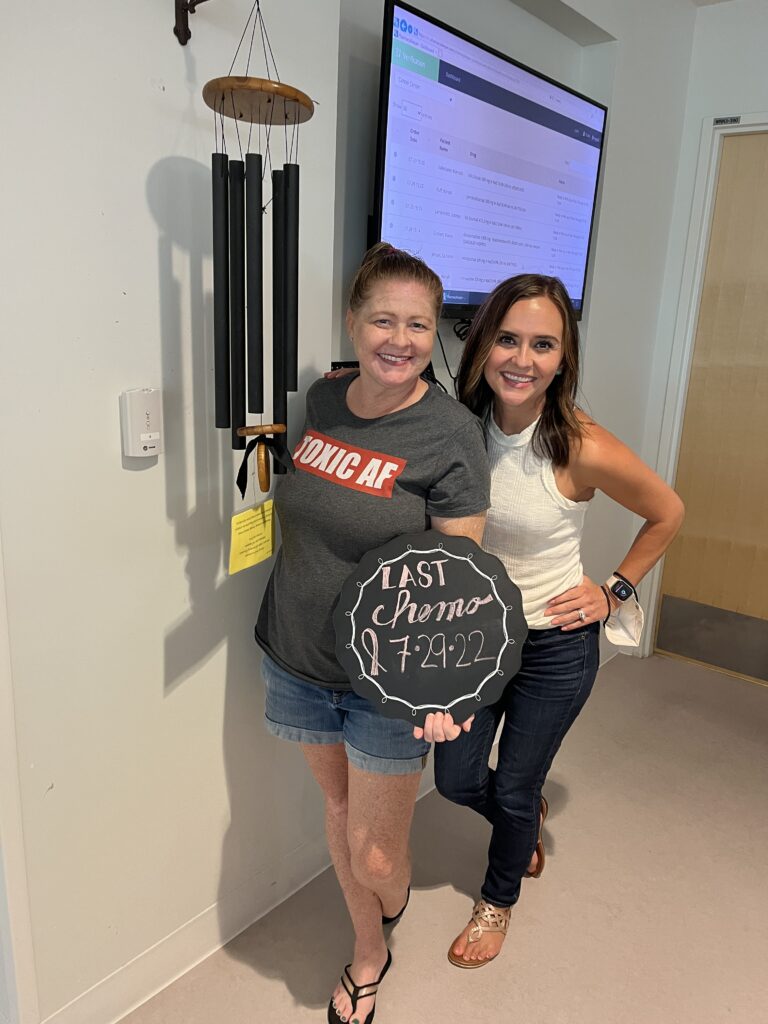
For me, my friends became my lifeline. When I told my best friend that I had breast cancer and would start chemo on Friday, April 15, she and her husband showed up at our house April 14th to kick off the “Titty Takedown” weekend with us. In the edited words of the Dixie Chicks, “Michelle flew in from Atlanta and it didn’t take us long to decide, that “Earl” had to die!” They celebrated small victories with us—like finishing a round of chemo—and mourned setbacks together. So many friends showed up to attend appointments with me, scans with me, recover from surgery with me. Michelle hasn’t missed a surgery, whether in Florida or Houston, TX. She has been there for every milestone and she will never truly know just how much it has meant to us for them to be so solidly in our corner. We call ourselves “framily,” because friends isn’t enough and the family-like bond that grew from this shared journey is one that I don’t see ever fading.
A Friend’s Marathon for Hope
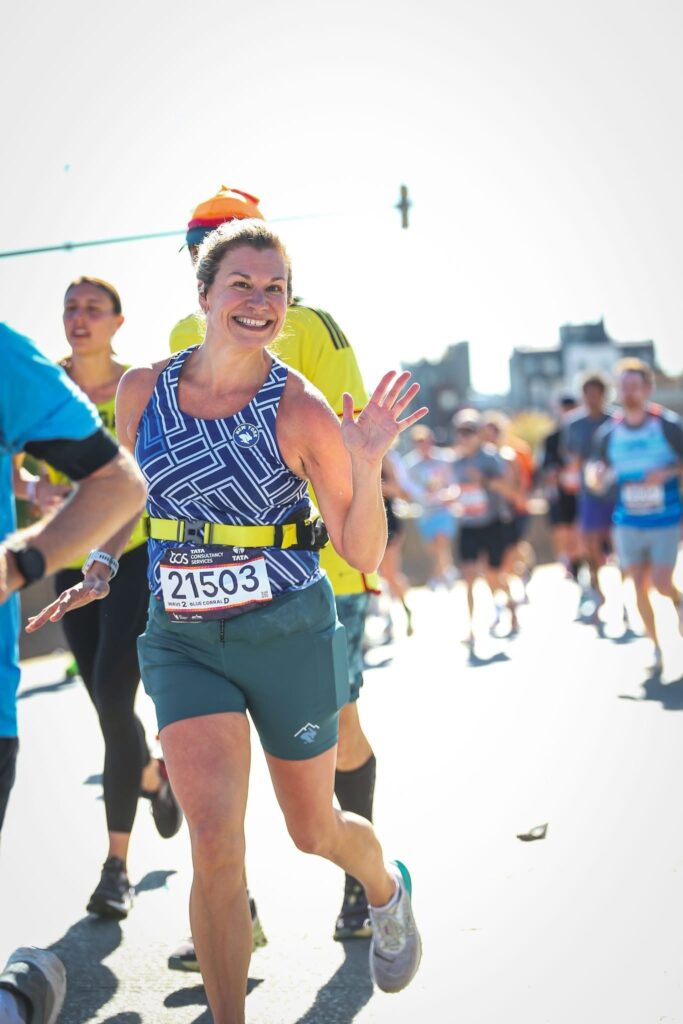
Sometimes, the blessings of an IBC journey manifest in extraordinary acts of solidarity. When my longtime friend Jessica, an avid marathon runner, called me and told me she had decided to run the Berlin Marathon to raise money for IBC research but couldn’t find an organization on the list that specified IBC, I helped her connect with Terry to form a partnership for her fundraising. Jessica, a long-distance runner and marketing executive, wanted to help so she channeled her own feelings of helplessness into action. Through crowdfunding and awareness campaigns, she hopes to raise thousands of dollars for the IBC Network Foundation, contributing to research that could one day improve outcomes.
Jessica’s marathon is more than a fundraiser—it is a symbol of hope. For me, watching my friend cross the finish line will be a reminder of silver linings. The funds raised will support critical research into IBC’s potential treatments, but the emotional impact is even greater. It shows others in the IBC community—that their fight matters, that people care enough to run 26.2 miles in their honor. I don’t even like to DRIVE 26.2 miles! Go Jess Go!
And if you want to support her run for IBC Awareness and Research, her donation page is up and running at Jessica’s IBC Fundraising link for the Berlin Marathon.
Finding Meaning in the Struggle
The journey through IBC is undeniably grueling, marked by fear, pain, and uncertainty. Yet, within this struggle, I have discovered profound blessings: the friends who become family, the strangers who become guides, and the acts of love that remind me of my worth. These connections don’t erase the hardship, but they transform it, weaving a tapestry of hope and resilience.
For those facing an IBC diagnosis, the road ahead may feel overwhelming, but it’s worth remembering that you’re not walking it alone. The hidden blessings—new friendships, unexpected allies, and a “framily” that rallies around you—can light the way, even on the darkest days. And sometimes, those blessings take the form of a friend running a marathon across the world, carrying your story with every step.