No one tells you how weird cancer can be.
Before my inflammatory breast cancer diagnosis, I assumed cancer was all solemn music, inspirational quotes, and maybe a pretty journal purchased at Target to keep track of thoughts. But when my left breast went rogue and I was diagnosed at 35, it suddenly felt like my life had become a surreal sitcom written by someone with a strange sense of humor and no respect for gastrointestinal urgency.
I quickly learned that humor isn’t something you seek out during treatment. It sneaks up on you. It cracks itself open in the middle of fear, or grief, or a sterile hospital room that smells like rubber gloves. It shows up because the alternative is too heavy to carry.
Like the time I received my own funeral cards. Yes. Funeral cards. For me. Someone sent them to me. In the mail. They came with a note that said, “I thought you looked strong in this photo, so I had these cards printed and thought you could hand them out.” Friends meant well. They usually do. But I remember opening the envelope and thinking, Wow. The bar for appropriate gestures has gotten really low. At first, I felt deeply disturbed and upset. Then I laughed, imagining myself handing out my own funeral cards—like, “Hey, guys!
Remember me the way this person thinks I should be remembered.” Cancer is weird that way. Emotions take a turn at the drop of a hat.
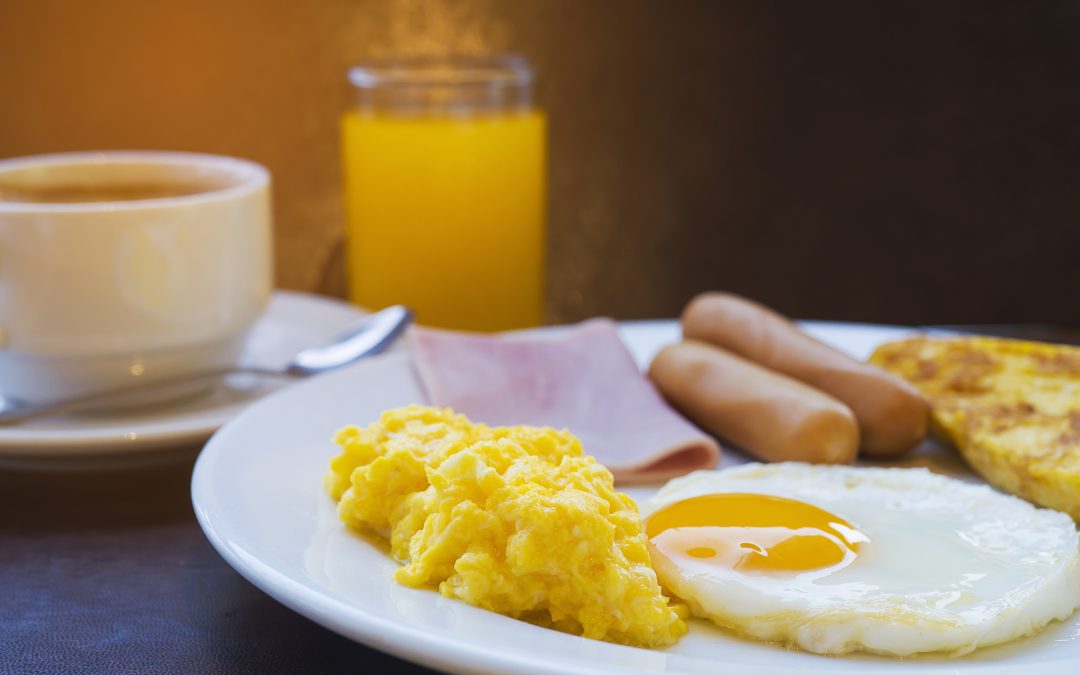
Or the food. I woke up in the hospital the morning after surgery to see my husband sitting next to my bed. He broke the rules and stayed with me even though overnight guests weren’t allowed. Playing it cool, he ordered breakfast by telling the person on the other end of the phone, “Emily would like two coffees, two yogurts, two hash browns, and two orders of bacon.” I’m sure they assumed that I was just really hungry.
Humor, even dark humor, became my pressure valve through the most challenging times. It was the thing that reminded me I was still me.
The truth is, every survivor I’ve ever met has their own version of this. The ridiculous experiences. The messed-up moments that only cancer patients get. The times when you’re staring down something unthinkable, and a moment of levity cracks the tension like light finding its way under a closed door.
We don’t laugh because cancer is funny. We laugh because we’re human. Because fear can take over, and humor helps us push it to the side long enough to breathe. Because treatment steals so much—time, energy, certainty, sanity—but humor lets us keep something that is ours. Something defiant. Something almost sacred.
There were so many moments during treatment when I would have given anything to hear someone say, “You’re not crazy. You’re not wrong for laughing. You’re not failing because you’re scared.” I needed to know that other women had been through the same strange mixture of terror and humor and were still standing on the other side of it.
That longing to feel less alone is one of the reasons I wrote my book, Big Boob: Finding Hope and Optimism Through Inflammatory Breast Cancer. It’s the voice I wish I could have handed my own terrified, exhausted self when she needed encouragement most. Big Boob became the story I needed. The one that says, “Me too. I’ve felt that. You’re not alone in this.”
Cancer may be dark. But people are light.
And sometimes that light looks like laughter in a place you never imagined it could exist.

Emily Jungblut is an author, IBC survivor, and women’s health advocate. Her memoir, Big Boob: Finding Hope Through Inflammatory Breast Cancer, will be available in January 2026. You can reach her at www.EmilyJungblut.com.